
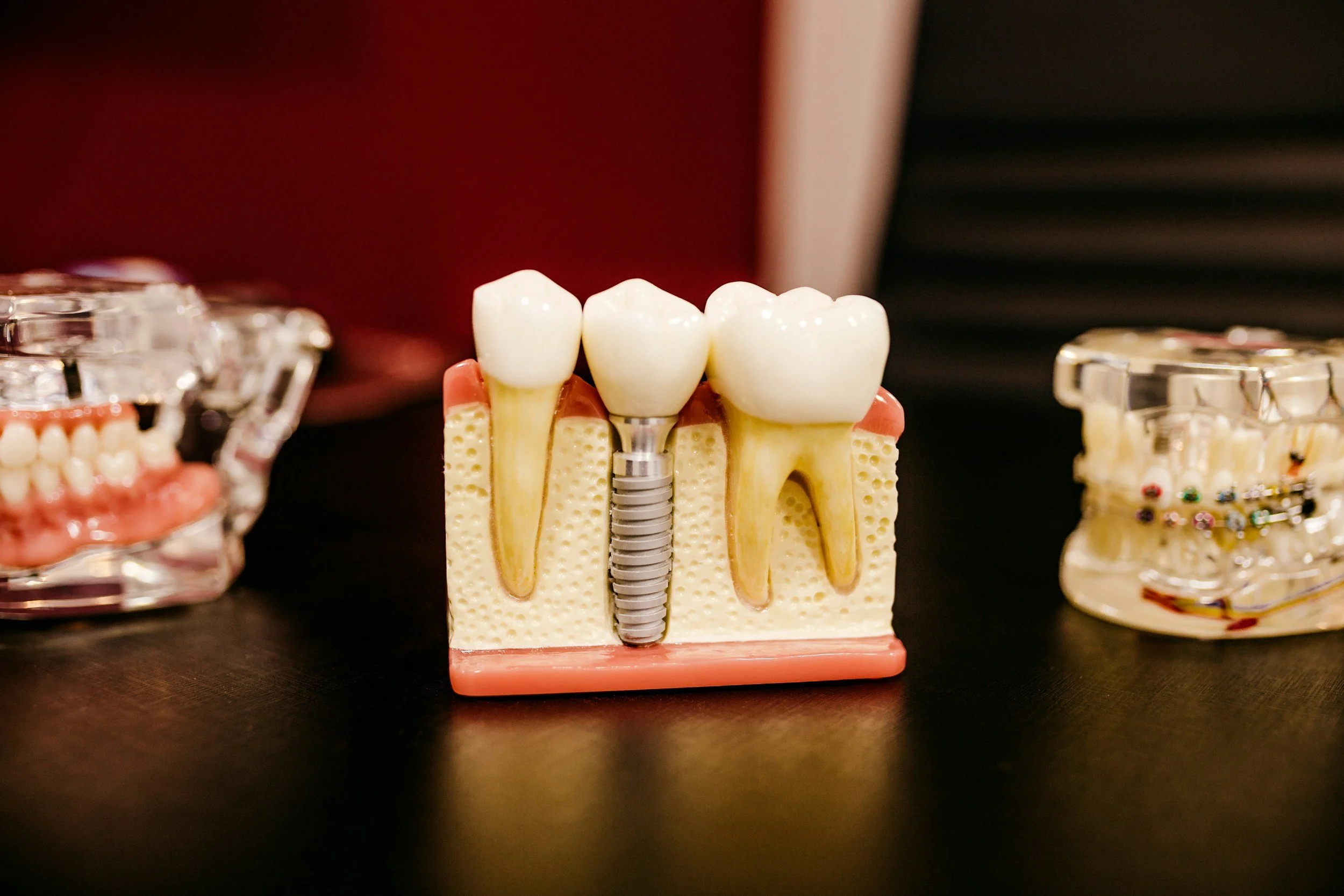
Predictive Analytics in Small Clinics: What MIT Research Suggests About the Future of AI in Healthcare Infrastructure.
Predictive analytics is reshaping how small medical and dental practices manage scheduling, inventory, and patient retention. But as AI-driven forecasting grows, so do concerns about data privacy, algorithm bias, and over-reliance on automation. Here’s how clinics can use predictive AI responsibly.
Fake Reviews, AI-Generated Testimonials, and Medical Credibility.
AI can now generate realistic reviews, testimonials, and even patient identities—creating new risks for medical credibility. For U.S. healthcare practices, protecting trust requires transparency, ethical AI use, and structured website infrastructure that verifies authenticity.

AI Appointment Scheduling: Efficiency vs. Security Risks.
AI-powered scheduling tools promise fewer no-shows and smoother operations for medical and dental practices. But when patient data and HIPAA compliance are involved, efficiency must be balanced with security, transparency, and human oversight. Here’s how to automate responsibly.

Why a Medical Practice Website Is Infrastructure — Not Marketing.
For U.S. medical and dental practices, a website is more than marketing—it’s digital infrastructure. From HIPAA-compliant patient intake to AI-powered scheduling and credibility signals, a structured website supports compliance, security, and trust in ways social media simply cannot.

What AI Patient Intake Actually Means?
AI-powered patient intake systems are transforming how small medical and dental practices operate. From automated scheduling to digital triage, the efficiency gains are real—but so are the risks. Here’s how to modernize responsibly while protecting patient trust, compliance, and the human touch.